


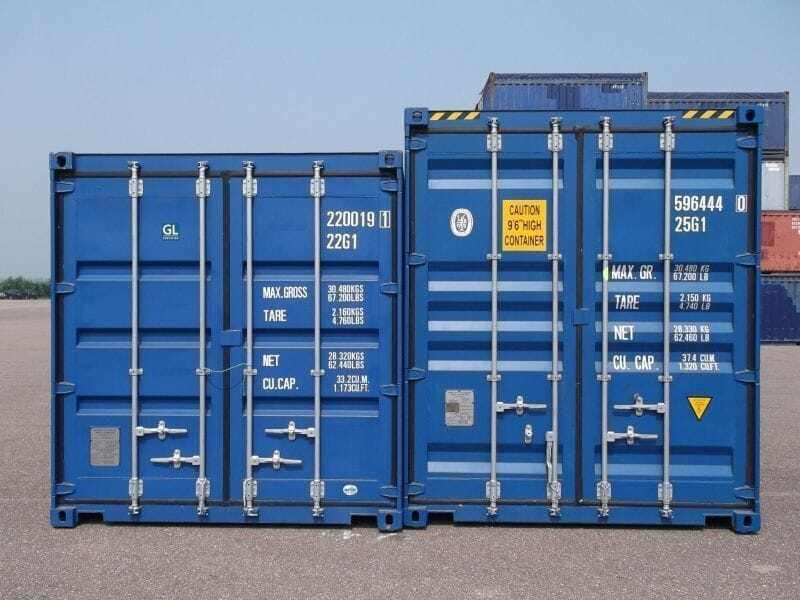
When it comes to international shipping, freight transportation, and cargo management, choosing the right container is crucial for efficiency, cost-effectiveness, and safety. Among the various types of containers available today, High Cube Containers and Standard Containers are two of the most popular options used worldwide. Understanding their differences, advantages, disadvantages, and optimal use cases is vital for shippers, logistics managers, and supply chain professionals.
This comprehensive guide delves deep into High Cube Vs Standard Container, helping you make informed decisions for your shipping needs. We will explore their dimensions, structural features, typical applications, cost implications, and how they impact your supply chain.
1. Introduction to Shipping Containers
Shipping containers are standardized, reusable steel boxes designed to efficiently transport goods across various modes of transport—sea, rail, and road. Their standardized dimensions and robust construction have revolutionized global trade, enabling seamless intermodal transportation.
The two primary categories of containers used globally are Standard (Dry Van) Containers and High Cube Containers. While they share many similarities, their differences significantly influence their suitability for different cargo types and shipping scenarios.
2. What Is a Standard Container?
A Standard Container, often referred to as a Dry Van Container, is the most common type of shipping container used in international trade. It is designed primarily for dry, non-perishable goods, such as manufactured products, textiles, electronics, and more.
Typical Dimensions
- Length: 20 feet or 40 feet
- Width: 8 feet
- Height: 8.6 feet (standard)
Structural Features
- Made of durable steel or aluminum
- Equipped with a secure locking system
- Ventilation options for certain types
- Suitable for stacking and intermodal transport
Standard containers are the backbone of the global shipping industry, accounting for the majority of containerized cargo worldwide.
3. What Is a High Cube Container?
A High Cube Container is a variation of the standard container that offers increased height, providing extra volume for cargo. It is designed to optimize space utilization, especially for taller or bulkier items.
Typical Dimensions
- Length: 20 feet or 40 feet
- Width: 8 feet
- Height: 9.6 feet (standard high cube)
Structural Features
- Slightly taller than standard containers by approximately 1 foot
- Same width and length dimensions
- Constructed with reinforced steel
- Often used for oversized or high-volume cargo
High cube containers are increasingly popular in industries requiring additional vertical space, such as furniture, electronics, and certain bulk commodities.
4. Dimensions and Structural Differences
Understanding the key differences in dimensions and structures helps determine which container type best suits your cargo.
| Feature | Standard Container | High Cube Container |
|---|---|---|
| Length | 20 ft / 40 ft | 20 ft / 40 ft |
| Width | 8 ft | 8 ft |
| Height | 8.6 ft | 9.6 ft (additional foot in height) |
| Internal Volume | Approx. 1,172 cu ft (20 ft) | Approx. 1,295 cu ft (20 ft) |
Visual Comparison
The extra foot in height provides approximately 10-12% more internal volume, making high cube containers ideal for taller cargo or maximizing volume.
5. Advantages of Standard Containers
Standard containers have been the industry standard for decades, offering several benefits:
- Cost-Effective: Generally cheaper to purchase or lease due to widespread availability.
- Compatibility: Widely compatible with existing infrastructure, including ports, cranes, and container yards.
- Ease of Handling: Lighter and easier to load/unload for many cargo types.
- Versatility: Suitable for most dry cargo, making them a flexible choice for various industries.
- Established Logistics Network: Extensive global network supporting standard containers.
6. Advantages of High Cube Containers
High cube containers offer distinct advantages that make them attractive for specific applications:
- Increased Capacity: Approximately 10% more volume, ideal for taller or bulkier cargo.
- Better Space Utilization: Optimizes cubic space, reducing the number of containers needed.
- Ideal for Oversized Cargo: Suitable for items like furniture, electronics, and machinery.
- Enhanced Cargo Safety: More space means less compression and potential damage during transit.
- Facilitates Efficient Loading: Allows for taller goods without stacking issues.
7. Disadvantages of Both Container Types
While both container types have their benefits, they also come with limitations:
Standard Container Disadvantages
- Limited internal height may restrict taller cargo.
- Less efficient for oversized or high-volume goods.
- May require additional containers or alternative solutions for tall cargo.
High Cube Container Disadvantages
- Slightly more expensive to purchase or lease.
- Not compatible with all existing port and handling equipment designed for standard containers.
- Slightly heavier, which can impact shipping costs.
8. When to Use a Standard Container
Standard containers are the go-to choice for many shipping scenarios:
- Dry Goods: Non-perishable, solid items like machinery, textiles, and electronics.
- Cost-Sensitive Shipping: When budget constraints are paramount.
- Basic Logistics: When infrastructure and equipment are optimized for standard sizes.
- Short-Term Storage: For interim storage in warehouses or yards.
Use Cases
- Exporting manufactured goods
- Transporting bulk dry cargo
- Shipping packages that fit within height restrictions
9. When to Use a High Cube Container
High cube containers excel in scenarios requiring extra vertical space:
- Tall Cargo: Items like furniture, appliances, or machinery.
- High-Volume Bulk Goods: To maximize cubic capacity.
- Specialized Industries: Electronics, textiles, or goods requiring more headroom.
- Long-Term Storage: When maximizing interior space is essential.
Use Cases
- Moving large household items
- Shipping oversized electronics
- Transporting machinery with height considerations
10. Cost Considerations: High Cube Vs Standard Container
Cost is a critical factor influencing container choice:
| Aspect | Standard Container | High Cube Container |
|---|---|---|
| Purchase Price | Lower | Slightly Higher |
| Leasing Cost | Generally Lower | Slightly Higher |
| Shipping Cost | Marginally higher due to weight | Slightly more expensive due to weight |
| Handling & Equipment | Compatible with most handling equipment | May require specialized handling equipment |
While high cube containers tend to be more expensive initially, their ability to carry more volume can lead to lower overall transportation costs for tall or bulky cargo.
11. Shipping and Logistics Implications
Choosing between high cube and standard containers affects logistics planning:
- Port Compatibility: Ensure ports support high cube handling.
- Container Tracking: Both types are trackable via standard logistics systems.
- Intermodal Transportation: Both are compatible with trains, trucks, and ships.
- Stacking & Storage: Standard containers are often easier to stack; high cube containers may need additional considerations due to height.
12. Best Practices for Choosing Between High Cube and Standard Containers
To optimize your logistics, consider these factors:
- Cargo Dimensions: Measure height, width, and volume accurately.
- Type of Goods: Tall or bulky items favor high cube containers.
- Cost Constraints: Evaluate total cost, including handling and shipping.
- Infrastructure Compatibility: Confirm port and transport equipment support high cube containers.
- Future Scalability: Consider potential future cargo changes and scalability.
13. Real-World Use Cases and Industry Examples
Case Study 1: Furniture Export Company
A furniture exporter prefers high cube containers to accommodate tall wardrobes and cabinets, reducing the number of containers needed and minimizing shipping costs.
Case Study 2: Electronics Manufacturer
An electronics company ships delicate, high-value items in standard containers for easier handling and compatibility, ensuring safety and security.
Industry Example: Bulk Carriers and Logistics Providers
Many logistics providers prefer high cube containers for mixed cargo shipments, especially when maximizing space is critical.
14. Common Misconceptions About High Cube and Standard Containers
- “High cube containers are only for oversized cargo.”
While ideal for tall items, they are also used for high-volume goods. - “High cube containers are incompatible with standard equipment.”
Most modern handling equipment supports high cube containers, but always verify port capabilities. - “Standard containers are always cheaper.”
Not necessarily; for tall cargo, high cube containers can be more economical overall.
15. Future Trends in Container Shipping
- Smart Containers: Integration of IoT for real-time tracking and condition monitoring.
- Sustainable Materials: Use of eco-friendly materials to reduce environmental impact.
- Modular and Custom Containers: Tailored solutions for specific cargo needs.
- Increased Adoption of High Cube Containers: Driven by the need for more space-efficient logistics.
16. Which Container Is Right for You?
Choosing between High Cube and Standard Container depends on your cargo dimensions, budget, infrastructure, and long-term logistics strategy. For tall, bulky, or high-volume goods, high cube containers offer significant advantages. Conversely, standard containers remain the most versatile and cost-effective choice for most dry cargo.
Key Takeaway:
- Use high cube containers for:
- Tall or oversized cargo
- Maximizing cubic volume
- Use standard containers for:
- Cost-effective shipping
- Smaller, standard-sized cargo
17. FAQs About High Cube Vs Standard Containers
Q1: Are high cube containers more expensive to ship?
A: They can be marginally more expensive due to weight and handling, but may reduce overall costs for tall cargo.
Q2: Can I convert a standard container into a high cube?
A: Generally not; high cube containers are manufactured with specific structural dimensions.
Q3: Are high cube containers suitable for all ports?
A: Most modern ports support high cube containers, but always verify port facilities beforehand.
Q4: What are the weight limits for high cube versus standard containers?
A4: Both typically have a maximum gross weight of around 30,480 kg (67,200 lbs), but payload limits vary by container and manufacturer.
Q5: How do I choose the right container size?
A5: Assess your cargo dimensions, volume, and handling capabilities for optimal selection.
Final Thoughts
Understanding the nuances of High Cube Vs Standard Container is essential for optimizing your shipping operations. By selecting the appropriate container type, you can improve efficiency, reduce costs, and ensure the safe transport of your goods.
IOS T-11 20ft Container for Sale
For more information on container solutions, equipment, and logistics services, visit Intermodal Equipment — your trusted partner in intermodal transport.
