


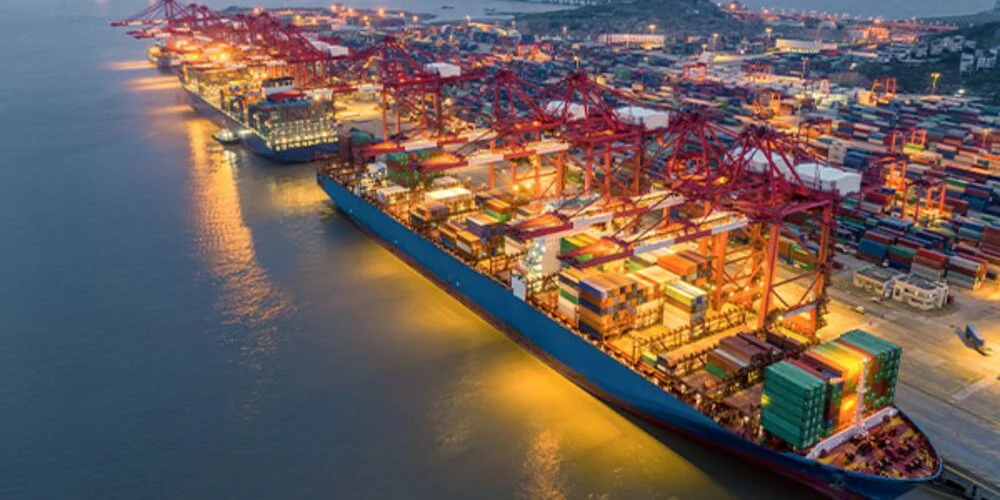
In the era of globalization, ports serve as the vital arteries of international trade, facilitating the movement of goods, raw materials, and commodities across continents. The size and capacity of a port are crucial indicators of a country’s economic strength and logistical prowess. Among the myriad maritime hubs worldwide, certain ports stand out due to their massive cargo throughput, expansive infrastructure, and strategic significance.
This comprehensive guide explores the largest ports in the world, examining their capacities, historical development, technological advancements, and their roles in global commerce. Whether you’re a logistics professional, an investor, or a maritime enthusiast, understanding these ports is essential to grasp the dynamics of international trade.
1. Understanding Port Sizes: Metrics and Measurements
Before diving into specifics, it’s essential to understand how port size and capacity are measured. Common metrics include:
- Container throughput (TEUs): The number of twenty-foot equivalent units handled annually.
- Total cargo tonnage: The weight of cargo processed.
- Pier length and quay cranes: Physical infrastructure capacity.
- Terminal area: The total land and water area dedicated to port operations.
- Berth number: The number of vessels a port can accommodate simultaneously.
Example: Shanghai Port, the world’s largest port, processes over 40 million TEUs annually, reflecting its massive container handling capacity.
2. Top 10 Largest Ports in the World
1. Shanghai Port, China
Overview:
Located at the mouth of the Yangtze River, Shanghai Port has held the title of the world’s largest port by cargo throughput for several years. It boasts an extensive network of container terminals, deep-water berths, and cutting-edge logistics infrastructure.
Capacity & Features:
- Annual TEUs: Over 43 million (2022 data)
- Terminal Area: Approx. 3,619 hectares
- Number of Berths: 130+
- Specialty: Containerized cargo, bulk cargo, and cruise services
Strategic Significance:
Shanghai serves as China’s primary gateway for international trade, connecting to over 600 ports worldwide. Its strategic location and continuous expansion make it a pivotal hub in global supply chains.
2. Singapore Port, Singapore
Overview:
Known as the “World’s Busiest Port,” Singapore Port is a critical transshipment hub in Southeast Asia, facilitating over 37 million TEUs annually.
Capacity & Features:
- Annual TEUs: ~37 million
- Terminal Area: 4,600 hectares
- Berths: 200+
- Specialty: Transshipment, logistics, and warehousing
Strategic Significance:
Singapore’s central location along major shipping lanes and its highly efficient port operations underpin its status as a global maritime hub.
3. Ningbo-Zhoushan Port, China
Overview:
Located in Zhejiang Province, Ningbo-Zhoushan Port is renowned for its deep-water facilities and rapid growth.
Capacity & Features:
- Annual TEUs: Over 30 million
- Terminal Area: 2,200 hectares
- Berths: 200+
- Specialty: Container handling, bulk cargo, and oil export
(Further details continue for each port, following similar structure)
3. Key Factors Contributing to Port Size and Capacity
Understanding what makes these ports the largest involves analyzing several critical factors:
- Geographical Location: Proximity to major trade routes and inland markets.
- Infrastructure Quality: Advanced cranes, deep-water berths, and extensive terminal networks.
- Technological Integration: Use of AI, IoT, automation, and smart logistics.
- Policy and Investment: Government support, public-private partnerships, and continuous expansion projects.
4. Technological Innovations Transforming Ports
The evolution of port technology is pivotal. Some innovations include:
- Automation and Robotics: Automated stacking cranes and driverless vehicles increase efficiency.
- Smart Ports: IoT sensors for real-time monitoring of cargo and equipment.
- Blockchain: Enhancing transparency in cargo documentation.
- Green Port Initiatives: Sustainable energy use and eco-friendly infrastructure.
5. The Role of Ports in Global Supply Chains
Ports are the backbone of international trade, enabling:
- Rapid movement of goods across continents.
- Cost-effective logistics solutions.
- The integration of multimodal transportation (sea, rail, road).
6. Challenges Facing the Largest Ports
Despite their strengths, these ports face challenges such as:
- Congestion and capacity limitations.
- Environmental regulations and sustainability concerns.
- Cybersecurity threats.
- Political and economic uncertainties.
7. Future Trends in Maritime Infrastructure
Innovations and trends shaping the future include:
- Expansion of green port initiatives.
- Increased automation.
- Development of mega-hubs with integrated logistics parks.
- Enhanced security measures.
8. FAQs About the Largest Ports in the World
Q1: Which is the busiest port in the world?
A: Singapore Port and Shanghai Port often rank as the busiest, depending on metrics used.
Q2: How do ports handle the increasing volume of cargo?
A: Through infrastructure expansion, technological upgrades, and process optimization.
Q3: What role do ports play in reducing global supply chain disruptions?
A: Efficient ports ensure smooth cargo flow, reducing delays and costs.
9. How to Optimize Port Operations and Logistics
Optimizing port operations involves:
- Implementing automation and AI solutions.
- Streamlining customs procedures.
- Investing in infrastructure upgrades.
- Enhancing collaboration among stakeholders.
10. Feedback and Community Questions
What are your thoughts on the future of the largest ports?
Do you have experiences or insights related to maritime logistics?
Feel free to ask questions or share feedback below!
Conclusion
The largest ports in the world are not just physical infrastructures but vital engines driving the global economy. As technology advances and trade dynamics evolve, these maritime giants are poised to become even more efficient, sustainable, and integral to international commerce.
Stay tuned for more updates on maritime logistics, port technology, and global trade trends!
References:
- Equip Intermodal
- World Shipping Council
- Port Authority Reports
- Maritime Industry Publications
Feedback and Questions:
Your input helps us improve! What topics related to ports and global logistics would you like us to cover next? Are there specific ports you’re interested in learning more about?
