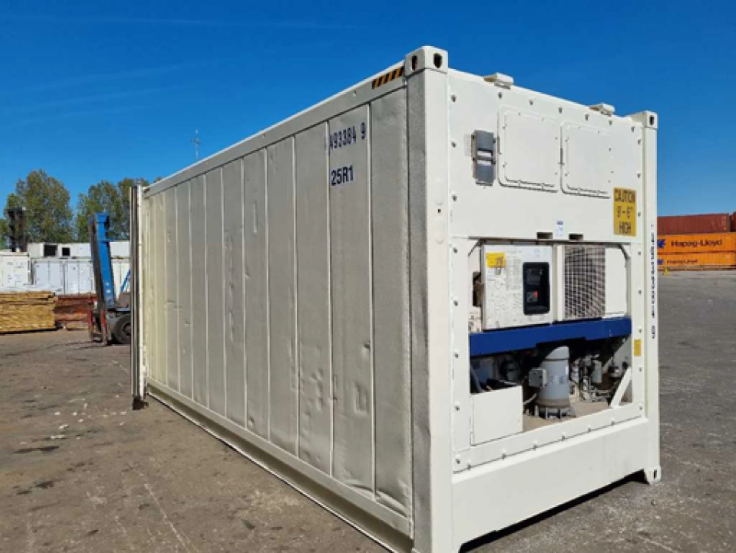

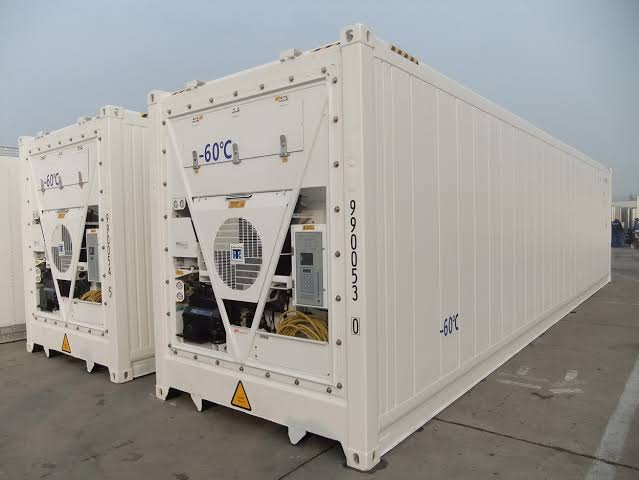
In the fast-paced world of international trade and logistics, maintaining the freshness and quality of perishable goods is paramount. Whether you’re transporting pharmaceuticals, fresh produce, dairy, or frozen foods, the right refrigerated cargo container — commonly known as a reefer container — is essential for successful supply chain management. This comprehensive guide explores everything you need to know about refrigerated cargo containers, their types, features, benefits, and how they revolutionize global freight operations.
What Is a Refrigerated Cargo Container?
A refrigerated cargo container, also known as a reefer container, is a specialized shipping container equipped with temperature control systems that preserve the integrity of perishable goods during transit. Unlike standard dry containers, reefers maintain precise internal temperatures, ranging from deep-freeze conditions to controlled ambient temperatures, ensuring products arrive fresh and in optimal condition.
Key Features of Refrigerated Cargo Containers:
- Temperature Control: Capable of maintaining specific temperatures based on cargo requirements.
- Insulated Walls: To preserve internal climate and reduce energy consumption.
- Refrigeration Units: Equipped with advanced cooling systems, often powered by external power sources or self-contained units.
- Monitoring Systems: Modern reefers include real-time temperature and humidity monitoring for precise control.
Types of Refrigerated Cargo Containers
The market offers various types of reefer containers designed to meet diverse logistics needs. Here is an overview of the most common types:
1. 20-Foot and 40-Foot Reefer Containers
These are the standard sizes used in global trade:
- 20ft Reefer Container: Ideal for smaller shipments or when space is limited. Offers approximately 28 cubic meters of volume.
- 40ft Reefer Container: Suitable for larger volumes, providing about 58 cubic meters of space.
Reference: Equip Intermodal’s 20ft and 40ft Reefer Containers
2. High Cube Refrigerated Containers
These containers are taller than standard reefers, offering extra volume for bulky goods.
3. Special Refrigerated Containers
- Insulated Containers: For goods requiring stable temperature conditions without active refrigeration.
- Multi-Temperature Containers: Capable of maintaining different temperature zones within a single container, suitable for mixed cargo.
Benefits of Using Refrigerated Cargo Containers
Choosing the right reefer container offers numerous advantages:
1. Preserves Product Freshness and Quality
Reefers maintain precise temperature controls, preventing spoilage and extending shelf life.
2. Enables Global Trade of Perishables
Facilitates the international trade of fresh produce, dairy, pharmaceuticals, and other temperature-sensitive goods.
3. Enhances Supply Chain Flexibility
Flexible and reliable, reefers can be integrated into multimodal transport, including sea, rail, and road.
4. Cost-Effective Logistics
Prevents product loss and spoilage, saving costs associated with waste and returns.
5. Supports Cold Chain Management
Essential for industries like pharmaceuticals, where temperature deviations can compromise product efficacy.
How Do Refrigerated Cargo Containers Work?
Reefer containers incorporate advanced refrigeration units that control internal temperatures. Here’s a step-by-step overview:
- Loading: Perishable goods are loaded into the reefer container, ensuring proper packing to maximize airflow.
- Temperature Setting: The desired temperature is set based on cargo requirements.
- Refrigeration Activation: The unit powers on, cooling the interior to the specified temperature.
- Monitoring: Real-time sensors track temperature and humidity, alerting operators to any deviations.
- Transport: The container moves through various transportation modes, maintaining the cold chain.
- Unloading: Upon arrival, the cargo is unloaded promptly to preserve freshness.
Choosing the Right Refrigerated Cargo Container
Selecting the ideal reefer container depends on several factors:
- Type of Cargo: Fresh produce, pharmaceuticals, frozen foods, etc.
- Volume and Weight: Determines container size.
- Temperature Requirements: Deep freeze, chilled, or ambient.
- Duration of Transit: Longer journeys may require self-powered reefers with battery or diesel units.
- Budget Constraints: New vs. used containers.
Tip: Always consult with logistics experts or reefer container suppliers to match your specific needs.
Maintenance and Care for Refrigerated Cargo Containers
Proper maintenance ensures optimal performance and longevity:
- Regular Inspections: Check refrigeration units, seals, and insulation.
- Cleaning: Sanitize interior surfaces to prevent contamination.
- Monitoring Equipment: Calibrate sensors regularly.
- Refrigeration Unit Servicing: Schedule routine maintenance with qualified technicians.
Innovations in Refrigerated Cargo Containers
The logistics industry continuously evolves with technological advancements:
- Smart Reefer Containers: Integrated IoT devices for real-time tracking and control.
- Energy-Efficient Systems: Reduced power consumption with advanced insulation and cooling technologies.
- Renewable Energy Integration: Solar-powered reefers for off-grid operations.
- Environmental Sustainability: Use of eco-friendly refrigerants and recyclable materials.
Common Questions About Refrigerated Cargo Containers
1. How much do refrigerated cargo containers cost?
Prices vary based on size, age, condition, and features. New 20ft reefers typically range from $30,000 to $50,000, while used units can be significantly less. 40ft reefers tend to cost proportionally more.
2. Are used reefer containers reliable?
Yes, provided they are well-maintained and inspected before purchase. Many suppliers offer refurbished units with warranties.
3. How long do refrigerated cargo containers last?
With regular maintenance, reefers can last 10-15 years or more, depending on usage and environmental conditions.
4. Can I rent a reefer container?
Absolutely. Many logistics providers offer short-term or long-term rental options, ideal for seasonal or unpredictable shipments.
5. What refrigerants are used in reefer containers?
Modern reefers typically use environmentally friendly refrigerants like R-134a, R-404A, or newer eco-friendly options, aligning with global environmental standards.
Why Choose Equip Intermodal for Your Refrigerated Container Needs?
As a trusted provider, Equip Intermodal offers a comprehensive range of 20ft and 40ft reefer containers designed for durability, efficiency, and compliance with international standards. Their containers are suitable for various industries and transportation modes, ensuring your perishable goods reach their destination in optimal condition.
What Are Flat-Rack Containers?
Final Thoughts
Investing in the right refrigerated cargo container is crucial for businesses involved in the transportation of perishable goods. From maintaining product freshness to ensuring compliance with safety standards, reefers are indispensable tools in modern logistics. Whether you need a new or used reefer container, understanding your specific requirements and choosing a reliable supplier can make all the difference in your supply chain success.
Feedback and Engagement
Have you used refrigerated cargo containers for your logistics operations? What challenges have you faced? Share your experiences or ask questions in the comments below. Your insights can help others optimize their cold chain management!