
In the dynamic world of global logistics and freight shipping, understanding the different types of containers used for cargo transportation is essential. Among the various container types, flat-rack containers have gained significant popularity due to their versatility and adaptability in handling oversized, heavy, or unconventional cargo. Whether you’re a logistics professional, a shipping company, or a business owner exploring international trade, knowing what are flat-rack containers can enhance your shipping strategies and optimize your supply chain.
Let’s delves into everything you need to know about flat-rack containers—what they are, their features, applications, advantages, limitations, and how they compare to other container types. By the end of this post, you’ll have a clear understanding of why flat-rack containers are a vital component of modern intermodal transportation.
1. Introduction to Flat-Rack Containers
Global trade relies heavily on intermodal containers—standardized shipping units that can seamlessly move across ships, trucks, and trains. Among these, flat-rack containers stand out for their open design that allows for the transportation of large, heavy, or awkwardly shaped cargo that wouldn’t fit into standard containers.
The evolution of flat-rack containers aligns with the increasing demand for flexible shipping options, especially for cargo such as machinery, construction equipment, oversized cargo, and breakbulk items.
2. What Are Flat-Rack Containers? Definition and Overview
Definition
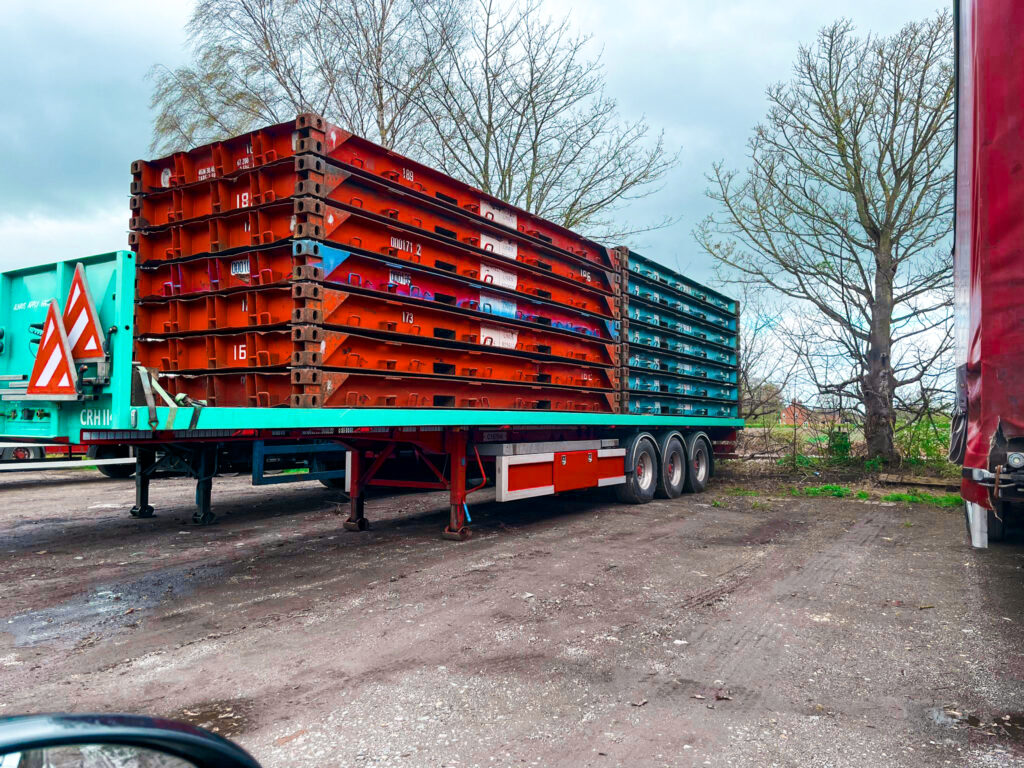
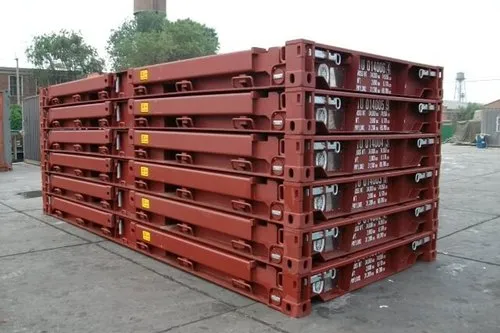
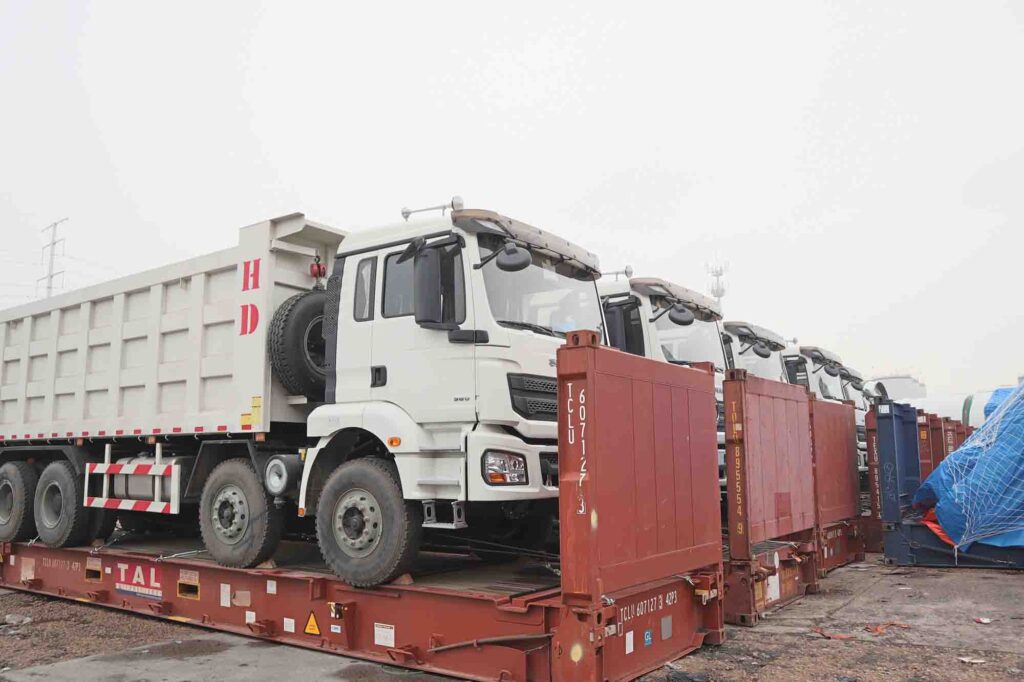
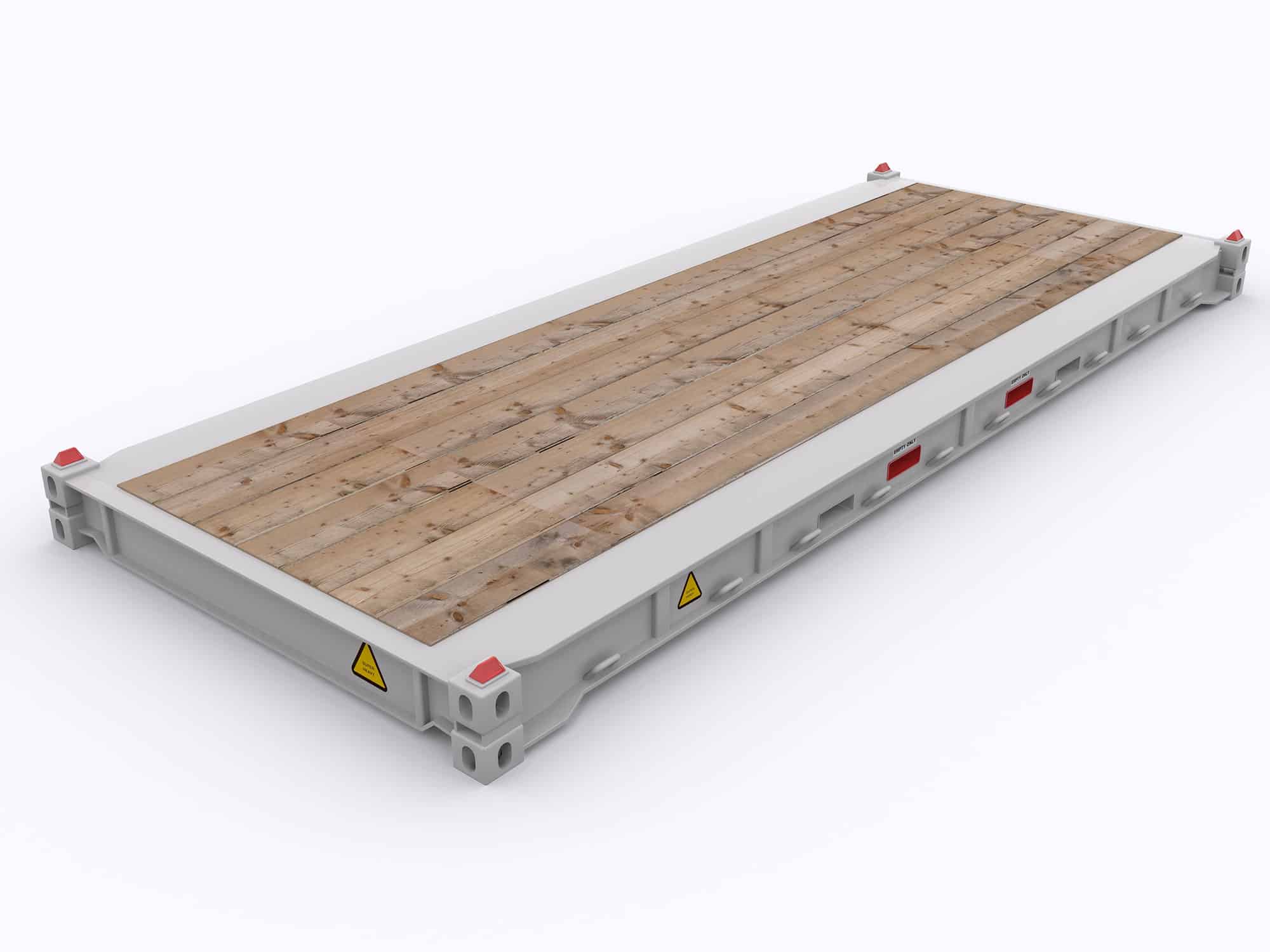
Flat-rack containers are a type of intermodal container characterized by a flat, open deck with collapsible or fixed end walls, designed to accommodate cargo that requires special handling or is oversized. Unlike standard containers with enclosed sides, flat-racks have no sidewalls, allowing for easy loading and unloading of large, heavy, or irregularly shaped items.
Overview
Flat-rack containers are typically made from durable steel or aluminum, ensuring strength and longevity during transit. Their open design makes them ideal for cargo that exceeds the height limitations of standard containers or for items that need to be loaded from the top or sides.
3. Features and Design of Flat-Rack Containers
Understanding the key features of flat-rack containers helps in assessing their suitability for specific shipping needs.
Core Features
- Open Deck Surface: A flat, sturdy base capable of supporting heavy loads.
- Collapse-able or Fixed End Walls: End walls can be folded down for easier access or removed for oversized cargo.
- Corner Castings: Reinforced corner fittings for securing the container to cranes, trucks, or ships.
- Durable Materials: Constructed from corrosion-resistant steel or aluminum.
- Stackability: Designed to be stacked with other containers, though with some limitations due to cargo height.
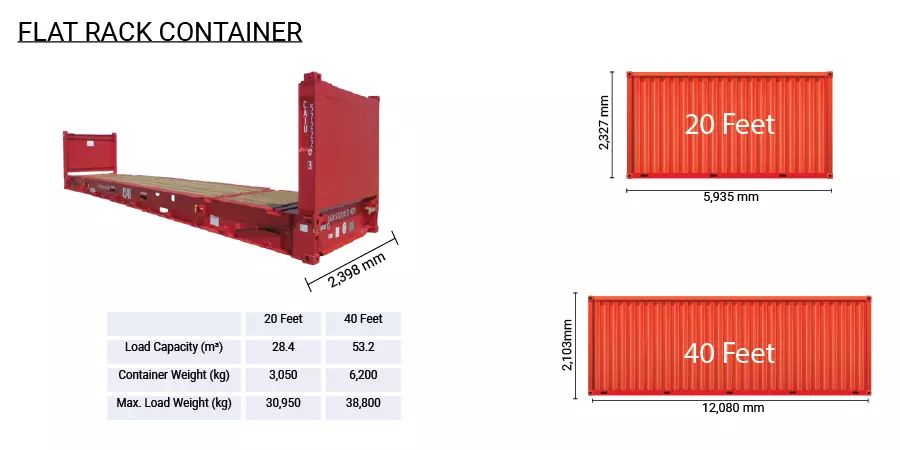
- Dimensions: Usually conform to ISO standards, with common sizes being 20-foot and 40-foot lengths.
Design Benefits
- Flexibility in loading cargo from top, sides, or ends.
- Ability to carry oversized or heavy cargo that doesn’t fit into standard containers.
- Easy to transport machinery, pipes, construction materials, and other large items.
4. Types of Flat-Rack Containers
Flat-rack containers come in several variations tailored to specific shipping requirements:
Standard Flat-Rack Containers
- Fixed end walls that do not fold.
- Suitable for cargo requiring minimal handling.
Collapsible Flat-Rack Containers
- End walls fold down or are removable.
- Ideal for oversized cargo that needs to be loaded from the top or sides.
Open-Top Flat-Rack Containers
- Equipped with a tarpaulin or removable cover instead of fixed top.
- Used for cargo that is too tall to fit in standard containers.
Open-Side Flat-Rack Containers
- Side panels open fully for side loading.
- Suitable for cargo that needs to be accessed from the side.
5. Applications of Flat-Rack Containers
Flat-rack containers are versatile and find applications across various industries, including:
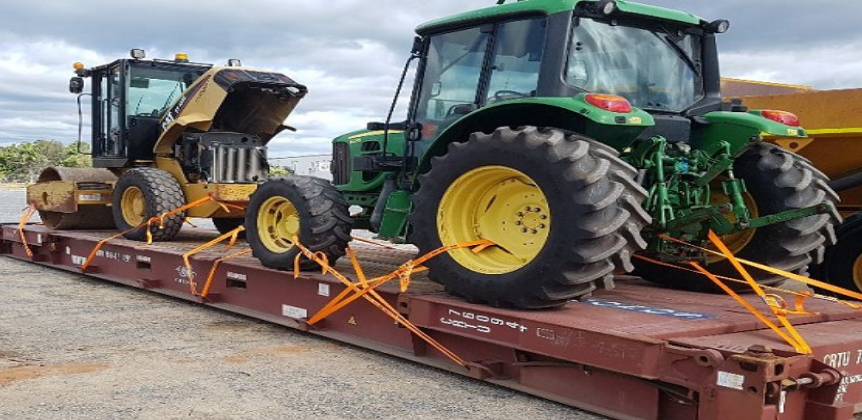
- Construction: Transporting heavy machinery, pipes, and steel beams.
- Oil & Gas: Moving drilling equipment, pipes, and large components.
- Manufacturing: Shipping machinery and industrial parts.
- Agriculture: Carrying large quantities of produce or farming equipment.
- Aerospace: Transporting aircraft parts or large aerospace components.
- Automotive: Shipping car parts or entire vehicles.
Real-World Examples
- Shipping a large wind turbine blade.
- Transporting oversized industrial machinery.
- Moving construction scaffolding and structural steel.
6. Advantages of Using Flat-Rack Containers
Choosing flat-rack containers offers several benefits:
Flexibility for Oversized Cargo
The open design allows for transporting items that exceed the height or width limits of standard containers.
Ease of Loading and Unloading
Cargo can be loaded from the top, sides, or ends, facilitating efficient handling.
Cost-Effective for Large Loads
Shipping oversized or heavy cargo in flat-racks can reduce the need for multiple shipments or specialized freight services.
Versatility
Suitable for a wide range of cargo types, from machinery to building materials.
Compatibility with Multiple Modes
Designed for intermodal transport—ship, rail, truck—without unpacking or reloading the cargo.
Durability and Strength
Constructed from high-quality materials capable of handling heavy loads and harsh weather conditions.
7. Limitations and Considerations
Despite their advantages, flat-rack containers also have limitations:
Limited Security
Open design exposes cargo to weather, theft, or damage; thus, proper securing and covering are essential.
Stacking Limitations
Due to the open design, stacking requires careful weight distribution and may not be as high as standard containers.
Handling Requirements
Requires specialized cranes or handling equipment due to their size and weight.
Transport Restrictions
Some ports or rail companies may have restrictions on flat-rack container usage.
Cost Factors
While cost-effective for oversized cargo, flat-racks can be more expensive to transport than standard containers for smaller cargo.
8. How Flat-Rack Containers Differ from Other Container Types
| Feature | Flat-Rack Container | Standard ISO Container | Open-Top Container | Tank Container |
|---|---|---|---|---|
| Design | Flat deck with collapsible/removable walls | Enclosed sides, doors | Flat deck with cover | Cylindrical tank for liquids |
| Cargo Type | Oversized, heavy, irregular | General cargo, boxes | Tall cargo, machinery | Liquids, chemicals |
| Loading | Sides, top, or ends | Doors on one side | Top open, covered | Top or side access |
| Security | Less secure, needs covering | Secure, lockable | Covered, lockable | Secure, sealed |
9. Common Industries Using Flat-Rack Containers
Flat-rack containers are essential in industries requiring the transportation of large, heavy, or irregular cargo:
- Construction & Infrastructure: Moving scaffolding, steel beams, and machinery.
- Oil & Gas: Transporting pipes, drilling equipment, and large components.
- Manufacturing & Heavy Industry: Shipping industrial machinery and parts.
- Aerospace: Transporting aircraft components.
- Agriculture: Moving oversized farming equipment.
- Energy: Shipping wind turbine blades and related components.
10. Shipping Regulations and Standards for Flat-Rack Containers
Flat-rack containers adhere to international standards set by the International Organization for Standardization (ISO), ensuring safety, compatibility, and quality.
Key Standards
- ISO 668: Container dimensions and ratings.
- ISO 1496-1: Container specifications.
- CSC Plate: Safety approval plate indicating compliance.
Regulatory Considerations
- Proper securing of cargo is mandated to meet safety standards.
- Weight restrictions must be observed.
- Handling and transportation procedures should comply with port and carrier regulations.
11. How to Choose the Right Flat-Rack Container
Selecting the appropriate flat-rack container depends on several factors:
- Cargo Dimensions: Measure length, width, height, and weight.
- Type of Cargo: Oversized, heavy, or irregular items.
- Loading Method: From top, sides, or ends.
- Transport Mode: Ship, rail, or truck.
- Duration of Shipment: Short-term or long-term leasing.
- Environmental Conditions: Need for weather protection or covering.
Consult with a logistics expert or container supplier to determine the best option.
12. Loading and Unloading Procedures
Proper handling ensures safety and maintains container integrity:
Loading
- Use cranes or forklifts with appropriate attachments.
- Secure cargo using lashings, chains, or straps.
- Distribute weight evenly to prevent tipping.
Unloading
- Follow safety protocols.
- Remove lashings carefully.
- Use appropriate equipment for heavy or oversized cargo.
Covering
- Use tarpaulins or removable covers to protect cargo from weather.
13. Maintenance and Inspection of Flat-Rack Containers
Regular maintenance prolongs container lifespan:
- Check for corrosion, dents, or structural damage.
- Inspect corner castings and locking mechanisms.
- Clean and lubricate moving parts.
- Ensure proper functioning of collapsible walls.
- Record inspections and repairs.
14. Cost Considerations and Rental Options
Costs vary based on size, condition, and rental duration:
- Purchase vs. Rental: Leasing is cost-effective for short-term needs.
- Shipping Costs: Flat-racks may incur higher freight charges due to size and weight.
- Maintenance Fees: Regular inspections are necessary.
- Additional Equipment: Cranes, lashings, covers may be extra.
Consult with reputable container providers like Equip Intermodal for competitive pricing and leasing options.
15. Future Trends in Flat-Rack Container Design and Usage
Emerging trends aim to enhance functionality and efficiency:
- Lightweight Materials: Reducing weight for better payload capacity.
- Collapsible Designs: Improving storage and transport efficiency.
- Integrated Handling Features: Easier loading/unloading.
- Enhanced Weatherproofing: Better covers and sealing.
- Smart Containers: Incorporating IoT sensors for tracking and condition monitoring.
16. Frequently Asked Questions (FAQs)
Q1: Are flat-rack containers suitable for international shipping?
A: Yes, flat-rack containers are widely used in international shipping for oversized and heavy cargo, complying with ISO standards.
Q2: Can flat-rack containers be stacked?
A: They can be stacked up to certain limits, but due to their open design, stacking is less stable compared to standard containers.
Q3: How do I secure cargo in a flat-rack container?
A: Use lashings, chains, or straps to secure cargo to the container’s floor and walls, following safety guidelines.
Q4: Are flat-rack containers weatherproof?
A: They are open designs and not inherently weatherproof. Using covers or tarpaulins is recommended to protect cargo from elements.
Q5: What are the typical sizes of flat-rack containers?
A: Common sizes include 20-foot and 40-foot lengths, conforming to ISO standards.
17. Feedback and User Experiences
Many logistics companies and industries report that flat-rack containers significantly improve their handling of oversized and heavy cargo. Customers appreciate their durability, versatility, and the ability to customize loading, which reduces transportation costs and enhances safety.
Positive feedback often highlights:
- Ease of loading from multiple directions.
- Ability to transport large, irregular cargo securely.
- Cost savings on shipping oversized items.
However, some users note the importance of proper securing and covering to prevent damage.
18. Conclusion
What are flat-rack containers? They are an indispensable component of modern intermodal transportation, offering unmatched flexibility for shipping oversized, heavy, or irregular cargo. Their open design, durability, and adaptability make them a preferred choice across industries like construction, oil and gas, manufacturing, aerospace, and agriculture.
By understanding their features, applications, advantages, and considerations, logistics professionals and businesses can optimize their shipping strategies, reduce costs, and ensure the safe delivery of their cargo worldwide.
19. References and Resources
- Intermodal Equipment – Flat Rack Containers
- ISO Standards for Shipping Containers
- International Maritime Organization (IMO) Guidelines
- Industry Reports on Intermodal Transportation Trends
20ft Shipping Containers Under $1000
Ready to explore flat-rack container options for your cargo needs? Contact reputable suppliers or logistics experts today to find the best solutions tailored to your business.