


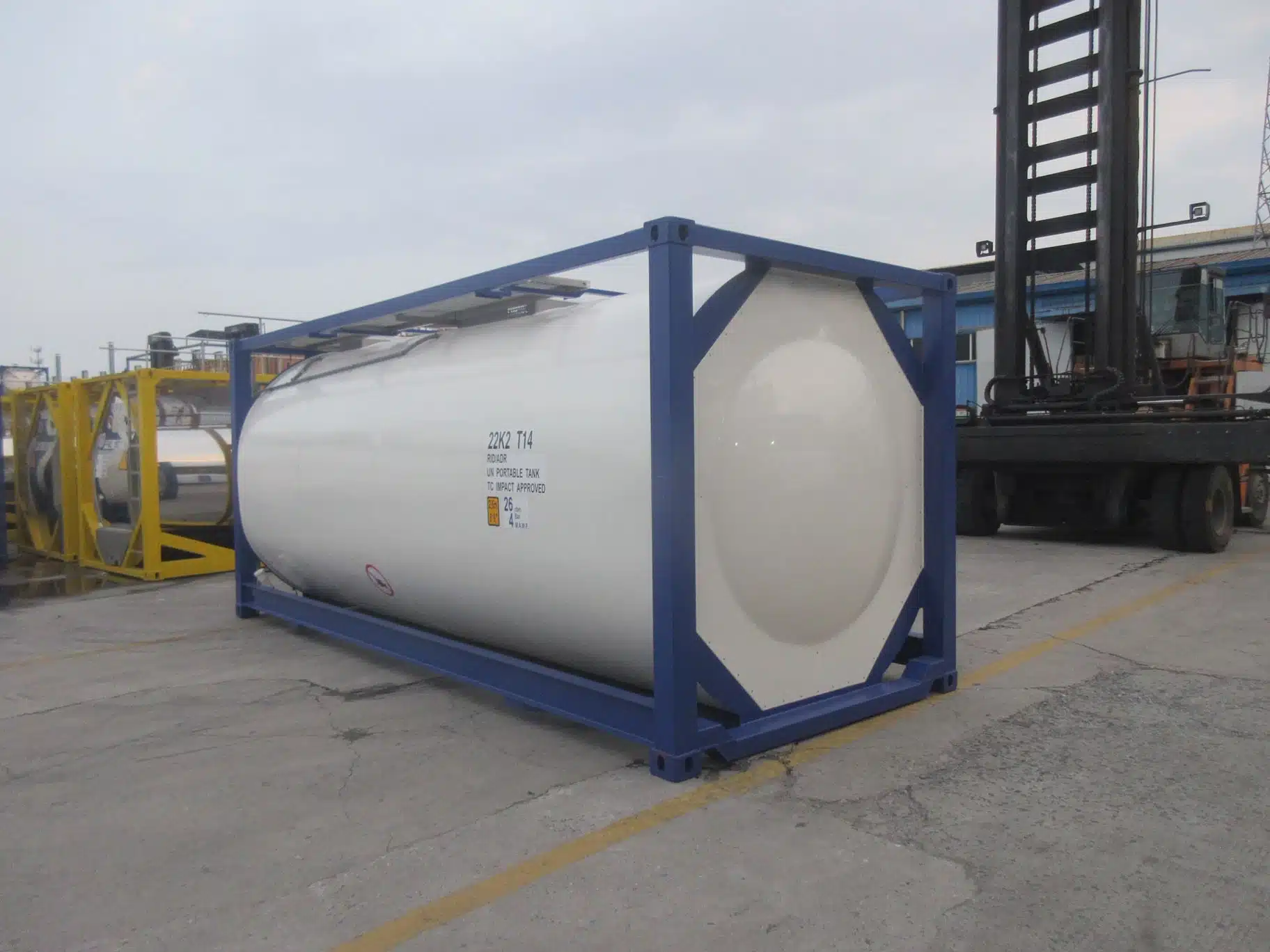
A T14 ISO tank container is one of the most specialized solutions designed for transporting demanding liquid cargo, especially hazardous chemicals and corrosive substances. It combines the flexibility of an ISO container with the strength and safety features of a pressure-rated tank system.
Transporting hazardous liquids, corrosive chemicals, and sensitive industrial materials requires more than standard shipping equipment. Businesses need a reliable solution that provides safety, regulatory compliance, durability, and efficient logistics.
For companies involved in chemical manufacturing, petrochemicals, industrial logistics, and global shipping, understanding how an ISO tank container works can help reduce risks, improve operational efficiency, and select the right transport equipment.
What Is a T14 ISO Tank Container?
A T14 ISO tank container is a specialized portable tank built according to international ISO container standards and designed for transporting hazardous liquid materials.
Unlike ordinary liquid containers, T14 tanks are engineered for higher safety requirements, including resistance against corrosive products and chemical reactions.
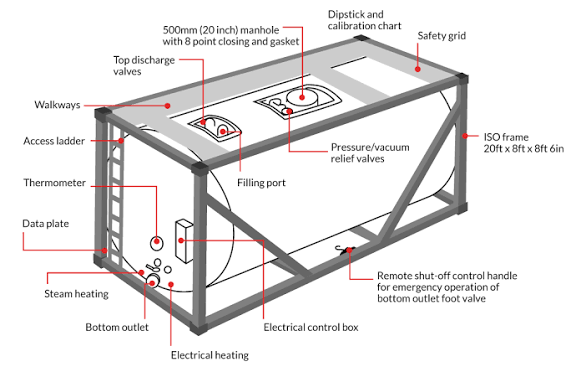
The tank consists of:
- A stainless-steel pressure vessel
- Protective ISO frame structure
- Safety valves and discharge systems
- Specialized internal lining (depending on cargo requirements)
- Pressure and temperature monitoring equipment
Because it follows ISO dimensions, an ISO tank container can move efficiently between:
- Ships
- Trucks
- Rail networks
without transferring the liquid product between containers.
This intermodal capability reduces handling risks and improves supply chain efficiency.
Why Are T14 ISO Tank Containers Important?
Many industries transport liquids that are:
- Highly corrosive
- Toxic
- Reactive
- Temperature sensitive
- Classified as dangerous goods
Traditional packaging methods such as drums or intermediate containers can increase:
- Leakage risks
- Handling costs
- Product contamination
- Loading delays
A T14 ISO tank container provides a safer bulk transportation method by keeping the cargo sealed inside a purpose-built tank throughout the journey.
T14 ISO Tank Container Specifications
The exact specifications may vary depending on manufacturer and certification requirements, but common characteristics include:
| Specification | Typical Details |
|---|---|
| Tank Type | T14 Portable Tank |
| Capacity | Approximately 21,000–26,000 liters |
| Material | Stainless steel 316L or equivalent |
| Operating Pressure | Around 4 bar (varies by design) |
| Temperature Range | Approximately -40°C to +130°C |
| Frame Size | Standard 20-foot ISO container dimensions |
| Application | Hazardous chemicals and corrosive liquids |
T14 vs T11 ISO Tank Container
The key difference between T11 and T14 ISO tank containers is that T11 tanks are designed for general, non-hazardous, or mildly hazardous liquids with a bare stainless steel interior, while T14 tanks are built with specialized linings (like rubber or PTFE) to safely transport corrosive and hazardous chemicals.
Core Specifications
- Capacity: Both typically hold between 14,000 and 26,000 liters (commonly around 21,000 to 24,000 liters).
- Minimum Test Pressure: Both share a standard minimum test pressure rating of 4 bar.
- Shell Material: Both use high-grade stainless steel (typically 316L) as the structural base.
Main Applications of T14 ISO Tank Containers
1. Chemical Transportation
The most common use of a T14 ISO tank container is transporting industrial chemicals.
Examples include:
- Acids
- Corrosive chemicals
- Chemical intermediates
- Industrial solvents
- Specialty chemicals
Chemical manufacturers benefit from safer transportation because the product remains isolated from external contamination.
2. Petrochemical Industry
Petrochemical companies use T14 tanks for transporting specialized liquids that require strong containment.
Common cargo includes:
- Chemical additives
- Industrial liquids
- Processing materials
The durable construction allows companies to transport large quantities while maintaining safety standards.
3. Pharmaceutical and Specialty Industries
Some pharmaceutical and specialty chemical products require:
- Clean transportation conditions
- Controlled environments
- Reliable material compatibility
T14 tanks can support these requirements when properly certified and maintained.
Benefits of Using a T14 ISO Tank Container
1. Enhanced Safety for Hazardous Cargo
Safety is the biggest advantage of a T14 ISO tank container.
Compared with smaller packages, bulk tank transportation reduces:
- Manual handling
- Packaging failures
- Exposure risks
- Transfer operations
A sealed tank system helps protect both workers and the environment.
2. Intermodal Transportation Flexibility
One major advantage of ISO tank containers is their ability to move through multiple transport methods.
A single T14 tank can travel by:
- Road
- Rail
- Sea
without unloading the chemical product.
This improves logistics efficiency and reduces delays.
3. Reduced Product Contamination
For chemical industries, maintaining product purity is critical.
A properly maintained T14 ISO tank container provides:
- Secure containment
- Reduced exposure
- Controlled cleaning processes
- Better cargo protection
4. Cost Efficiency Over Time
Although purchasing or renting a T14 tank requires investment, the long-term benefits can outweigh the initial cost.
Advantages include:
- Reusable equipment
- Reduced packaging expenses
- Lower product losses
- Faster loading operations
ISO tanks are designed for repeated use and can provide long service life with proper maintenance.
T14 ISO Tank Container vs Standard ISO Tank Container
Many buyers ask:
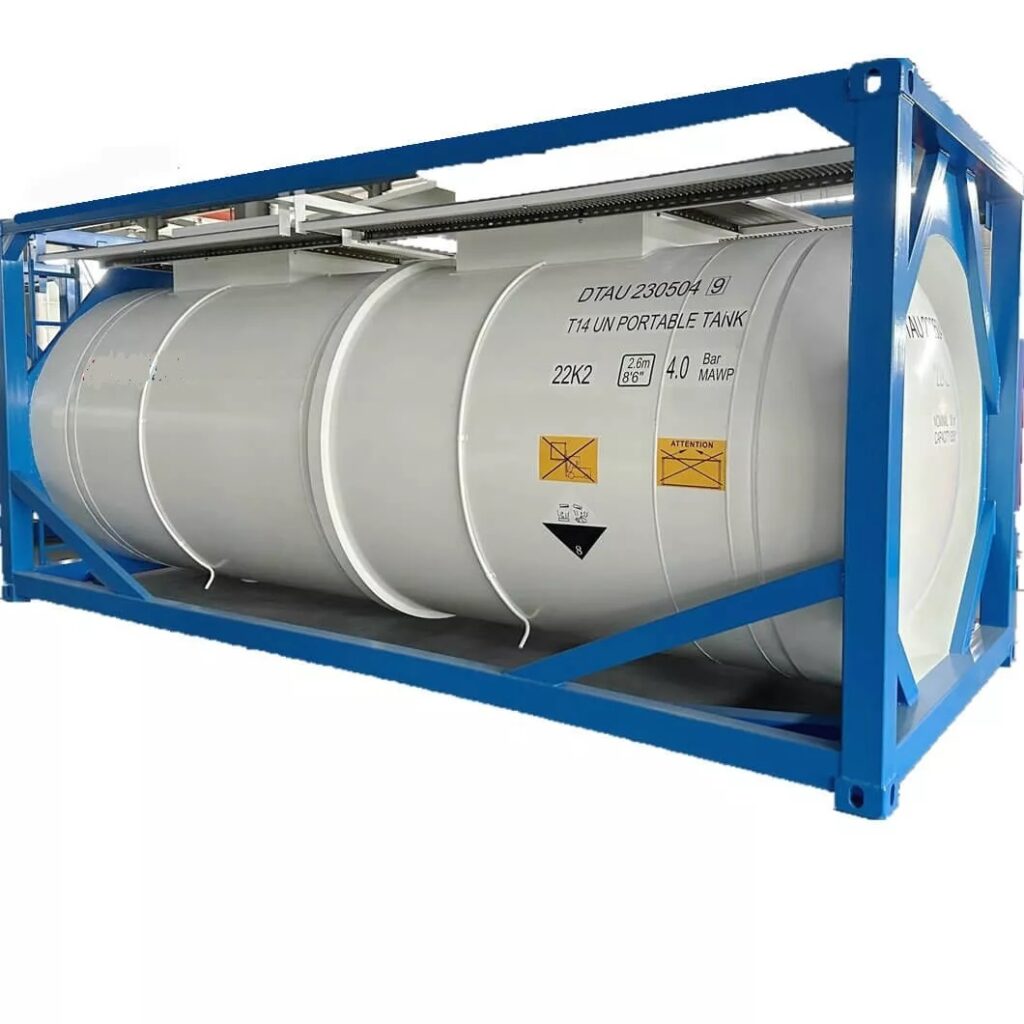
“What is the difference between a T14 ISO tank container and a standard tank container?”
The main difference is the cargo application and safety requirements.
| Feature | Standard ISO Tank | T14 ISO Tank Container |
|---|---|---|
| Cargo Type | General liquids | Hazardous/corrosive chemicals |
| Safety Requirements | Standard | Higher protection |
| Chemical Resistance | Limited depending on design | Enhanced compatibility |
| Pressure Rating | Depends on tank type | Designed for demanding applications |
| Industries | Food, oils, chemicals | Chemical and hazardous industries |
How to Choose the Right T14 ISO Tank Container
Selecting the correct tank requires careful evaluation.
1. Understand Your Cargo Requirements
Before purchasing or renting, identify:
- Chemical name
- UN classification
- Density
- Temperature requirements
- Corrosion properties
Not every chemical is compatible with every tank design.
2. Check Certification Standards
A professional supplier should provide documentation including:
- Inspection certificates
- Pressure test records
- Safety approvals
- Maintenance history
Compliance is essential when transporting hazardous materials internationally.
3. Evaluate Tank Material
The internal tank material must match the transported chemical.
Common materials include:
- Stainless steel 316L
- Special protective linings
- Chemical-resistant coatings
Choosing the wrong material can create safety risks.
4. Consider Capacity Requirements
Common T14 ISO tank container capacities include:
- 21,000 liters
- 24,000 liters
- 25,000 liters
- 26,000 liters
The ideal size depends on:
- Cargo weight
- Transport regulations
- Route limitations
Common Problems Businesses Face When Using Liquid Transport Containers
Problem 1: Chemical Leakage Risk
Solution:
Use certified T14 ISO tank containers with:
- Proper inspection
- Correct seals
- Regular maintenance
Problem 2: Choosing the Wrong Tank Type
Many companies select tanks based only on volume.
However, chemical compatibility is more important.
Always check:
- Chemical properties
- Required pressure rating
- Temperature range
Problem 3: High Transportation Costs
Poor logistics planning can increase expenses.
Solutions include:
- Optimizing shipping routes
- Using reusable tanks
- Reducing unnecessary transfers
Visit our tank container category to see what we have available in stock
Frequently Asked Questions About T14 ISO Tank Containers
What is a T14 ISO tank container used for?
A T14 ISO tank container is mainly used for transporting hazardous and corrosive liquids, including specialized industrial chemicals that require higher safety standards.
How much liquid can a T14 ISO tank container hold?
Most T14 ISO tank containers hold approximately 21,000 to 26,000 liters depending on the design and manufacturer. (QA Transport)
Are T14 ISO tank containers suitable for hazardous chemicals?
Yes. T14 tanks are specifically designed for demanding chemical transportation applications where safety and corrosion resistance are required.
What industries use T14 ISO tanks?
Common industries include:
- Chemical manufacturing
- Petrochemical companies
- Industrial logistics
- Specialty chemical producers
- Pharmaceutical suppliers
Can a T14 ISO tank container be transported internationally?
Yes. ISO tank containers are designed for international intermodal transport using ships, trucks, and rail systems.
How long does a T14 ISO tank container last?
With proper inspection and maintenance, ISO tank containers can provide many years of reusable service.
What is the difference between T11 and T14 ISO tank containers?
A common question is:
“Should I choose a T11 or T14 ISO tank container?”
Generally:
- T11 tanks are commonly used for many non-hazardous or less aggressive chemicals.
- T14 tanks are designed for more demanding hazardous chemical applications requiring additional protection.
The correct choice depends on cargo classification and regulatory requirements.
Expert Tips Before Buying or Renting a T14 ISO Tank Container
Before selecting a supplier:
✅ Verify certifications
✅ Confirm chemical compatibility
✅ Review inspection history
✅ Check cleaning procedures
✅ Understand rental and maintenance costs
✅ Choose suppliers with proven tank management experience
A reliable supplier should provide complete technical information and support throughout the transportation process. Heavy Duty Shipping Containers
Is a T14 ISO Tank Container the Right Choice?
For companies transporting hazardous chemicals and specialized liquids, a T14 ISO tank container offers an efficient, safe, and internationally accepted transportation solution.
Its combination of:
- High safety standards
- Intermodal flexibility
- Chemical resistance
- Reusable design
- Cost efficiency
makes it a preferred choice for modern industrial supply chains.
Businesses should always select a tank based on cargo requirements, regulatory compliance, and long-term operational needs rather than focusing only on capacity or price.
A correctly selected T14 ISO tank container can significantly improve transportation reliability while reducing risks throughout the supply chain.
