


Understanding ISO Certified Intermodal Containers
When businesses move goods internationally, container quality, safety, and compliance are critical. A common question asked by importers, exporters, logistics companies, manufacturers, and storage buyers is:
What are ISO Certified Shipping Containers?
ISO Certified Shipping Containers also known as Intermodal Containers are standardized freight containers manufactured and tested according to the requirements established by the International Organization for Standardization (ISO). These containers meet strict global specifications for dimensions, structural strength, durability, handling, and transportation safety.
Because ISO containers follow internationally recognized standards, they can be transported efficiently across ships, rail networks, and trucks without requiring modifications or transfers between different transportation systems.
For companies looking for reliable cargo solutions, ISO certified containers provide a combination of:
- Global transport compatibility
- Enhanced safety standards
- Long operational lifespan
- Cost-effective logistics performance
- Regulatory compliance
- Flexible storage applications
Whether used for international shipping, industrial storage, offshore projects, construction sites, or specialized cargo transportation, ISO certified containers are a foundation of modern supply chains.
What Does ISO Certified Mean for Shipping Containers?
ISO certification means a shipping container complies with internationally accepted technical standards developed by the International Organization for Standardization.
The main standards associated with shipping containers include:
- ISO 668 – Defines container dimensions and classifications
- ISO 1161 – Specifies corner fitting requirements
- ISO 1496 – Covers container testing and structural requirements
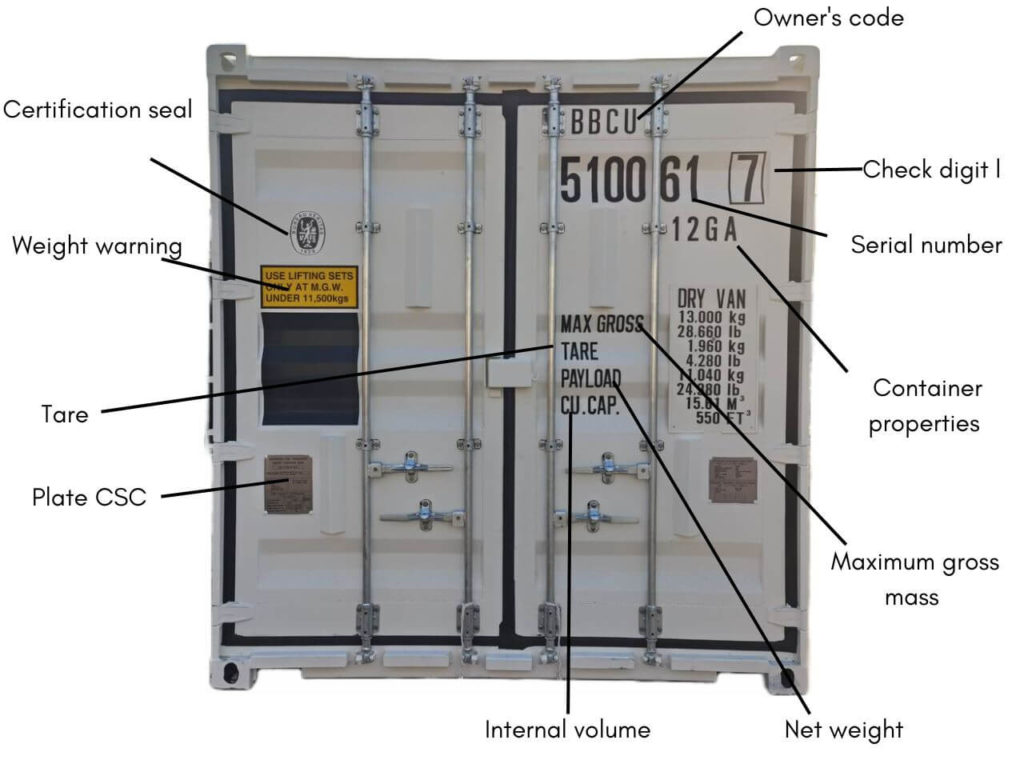
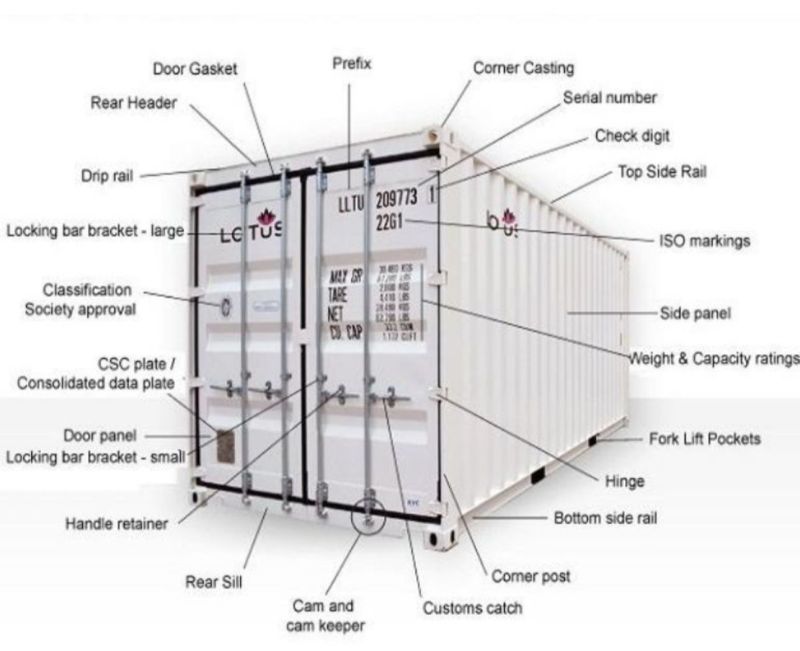
- ISO 6346 – Defines container identification codes and markings
An ISO certified container must pass inspections related to:
- Structural integrity
- Load capacity
- Weather resistance
- Safety during lifting and stacking
- Door operation
- Floor strength
- Transportation suitability
This ensures containers can safely withstand demanding global logistics environments. (Intermodal equipment)
How Are ISO Certified Shipping Containers Different From Standard Containers?
Many buyers confuse ordinary storage containers with ISO certified shipping containers. The difference is compliance.
| Feature | ISO Certified Shipping Container | Non-Certified Container |
|---|---|---|
| International shipping approval | Yes | Usually no |
| Standard dimensions | Yes | May vary |
| Marine transportation suitability | Yes | Limited |
| Stackability | Tested and approved | May be uncertain |
| Safety compliance | Verified | Variable |
| Resale value | Higher | Lower |
A container designed only for storage may not meet requirements for ocean transportation, customs approval, or intermodal movement.
Common Types of ISO Certified Shipping Containers
1. ISO Standard Dry Containers
Dry containers are the most widely used type of ISO container.
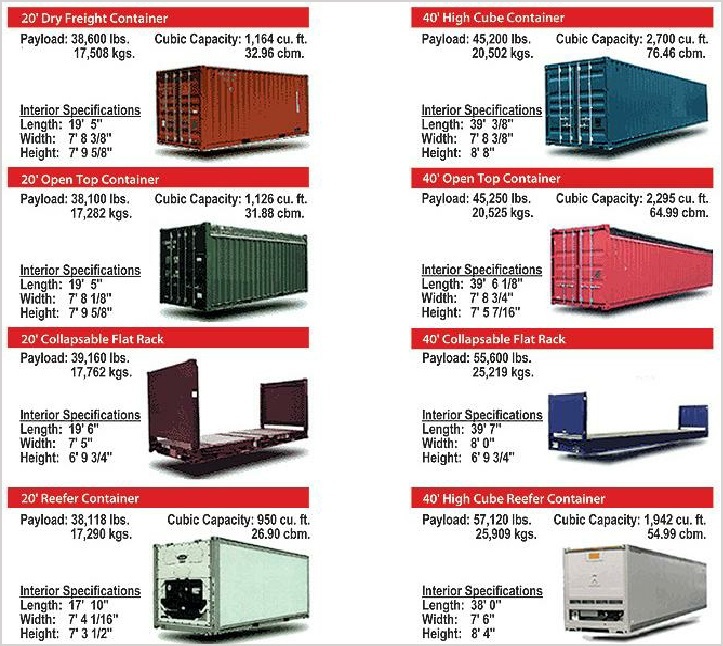
Common sizes include:
- 20-foot containers
- 40-foot containers
- 40-foot high cube containers
- 45-foot containers
They are commonly used for:
- Consumer goods
- Machinery
- Electronics
- Furniture
- Industrial products
Example:
A manufacturer exporting automotive parts from Asia to Europe can use a 40-foot ISO container that moves seamlessly from factory loading, to truck transport, to ocean freight, and finally rail delivery.
2. ISO Refrigerated Containers (Reefers)
Refrigerated ISO containers maintain controlled temperatures for sensitive products.
Applications include:
- Food exports
- Pharmaceuticals
- Medical supplies
- Chemicals
Key advantages:
- Temperature monitoring
- Reduced product spoilage
- International cold-chain compatibility
3. ISO Open Top Containers
Open top containers are designed for oversized cargo that cannot be loaded through standard doors.
Used for:
- Heavy machinery
- Industrial equipment
- Mining materials
4. ISO Tank Containers
ISO tank containers transport liquid products safely.
Common applications:
- Chemicals
- Food-grade liquids
- Petroleum products
Key Benefits of ISO Certified Shipping Containers
1. Global Transportation Compatibility
One of the biggest advantages of ISO certified containers is worldwide acceptance.
A single container can travel through multiple transportation modes:
- Cargo ships
- Trains
- Trucks
- Inland terminals
This intermodal capability reduces handling costs and improves supply chain efficiency.
2. Improved Cargo Protection
ISO containers are engineered to protect goods from:
- Rain
- Wind
- Dust
- Impact
- Rough handling
- Marine conditions
Their corrosion-resistant steel construction helps maintain cargo safety during long-distance transportation.
3. Higher Safety Standards
ISO containers undergo rigorous testing to ensure they can withstand:
- Heavy stacking pressure
- Crane lifting forces
- Transport vibrations
- Extreme weather conditions
For businesses shipping valuable products, this provides greater confidence.
4. Long-Term Cost Savings
Although ISO certified containers may have a higher initial cost, they often provide better long-term value.
Benefits include:
- Lower maintenance requirements
- Longer usable life
- Better resale value
- Reduced cargo damage risk
Why Businesses Choose ISO Certified Shipping Containers
Companies across industries use ISO containers because they solve several common logistics challenges.
Challenge: International Shipping Complexity
Businesses often struggle with changing transportation requirements between countries.
Solution:
ISO containers provide standardized dimensions accepted globally for shipping monster truck tyres
Challenge: Cargo Safety During Transit
Products may experience:
- Weather exposure
- Multiple handling points
- Long transportation routes
Solution:
ISO containers provide durable protection throughout the supply chain.
Challenge: Expensive Storage Infrastructure
Traditional warehouses require:
- Construction costs
- Maintenance
- Long-term commitments
Solution:
ISO containers provide flexible and scalable storage solutions.
Are ISO Certified Shipping Containers Waterproof?
A frequently searched question is:
Are ISO certified shipping containers waterproof?
ISO containers are designed to be weather-resistant and protect cargo from normal environmental conditions.
However, buyers should understand:
- New containers generally provide excellent weather protection.
- Used containers require inspection.
- Door seals and structural condition affect performance.
Before purchasing, inspect:
- Door gaskets
- Roof condition
- Floor integrity
- Rust levels
- Previous repairs
How Long Do ISO Certified Shipping Containers Last?
Another common question:
How long does an ISO certified shipping container last?
A well-maintained ISO shipping container can typically last:
- 15–25 years in shipping applications
- 25+ years when used primarily for storage
Lifespan depends on:
- Climate exposure
- Maintenance
- Usage frequency
- Corrosion protection
- Handling conditions
New vs Used ISO Certified Shipping Containers
New ISO Containers
Advantages:
- Maximum lifespan
- Minimal wear
- Best appearance
- Ideal for frequent international shipping
Best for:
- Export businesses
- Pharmaceutical logistics
- High-value cargo
Used ISO Containers
Advantages:
- Lower purchase cost
- Immediate availability
- Suitable for storage applications
Before buying used containers, check:
- CSC plate validity
- Structural condition
- Floor quality
- Door operation
- Rust damage
What Is a CSC Plate and Why Does It Matter?
The Container Safety Convention (CSC) plate is a certification plate attached to approved shipping containers.
It provides important information including:
- Manufacturer details
- Container identification
- Maximum gross weight
- Inspection information
- Safety approval status
For international shipping, a valid CSC plate is essential.
How to Choose the Right ISO Certified Shipping Container
Before purchasing, consider these factors:
1. Determine Your Primary Use
Ask:
- Will it be shipped internationally?
- Used for storage?
- Converted into a workspace?
- Used for specialized cargo?
2. Select the Correct Size
Popular options:
20-Foot ISO Container
The 20 foot containers are Best for:
- Small shipments
- Compact storage
- Limited space environments
40-Foot ISO Container
Best for:
- Large cargo volumes
- Commercial logistics
- Industrial applications
High Cube Containers
Best for:
- Taller equipment
- Increased storage capacity
3. Verify Certification and Condition
Always confirm:
- ISO compliance
- CSC certification
- Inspection records
- Structural condition
Questions People Ask About ISO Intermodal Containers
What are ISO certified shipping containers used for?
ISO certified shipping containers are used for international freight transportation, industrial storage, construction projects, military logistics, refrigerated shipping, and specialized cargo movement. (Intermodal Equipment)
Can ISO certified containers be shipped internationally?
Yes. ISO certified containers are specifically designed for global transportation by sea, rail, and road.
What sizes do ISO shipping containers come in?
The most common sizes are 20-foot and 40-foot containers, including high cube versions.
Are all shipping containers ISO certified?
No. Some containers are designed only for storage and may not meet ISO transportation standards.
How can I verify if a container is ISO certified?
Check the container identification markings, CSC plate, certification documents, and supplier records.
Are ISO containers good for storage?
Yes. ISO containers provide secure, weather-resistant, and flexible storage solutions for businesses and individuals.
What is the difference between ISO and CSC certification?
ISO certification relates to international container standards, while CSC certification confirms the container meets safety requirements for international transport.
Final Thoughts
ISO certified shipping containers are more than simple steel boxes. They are globally standardized logistics assets designed to move goods safely, efficiently, and consistently across international transportation networks. T14 ISO Tank Container for Sale Thailand
For businesses involved in shipping, storage, manufacturing, construction, or supply chain management, choosing ISO certified containers provides reliability, compliance, and long-term operational value.
Understanding ISO standards, certification requirements, container types, and purchasing considerations helps buyers make informed decisions and select solutions that match their transportation and storage needs.
